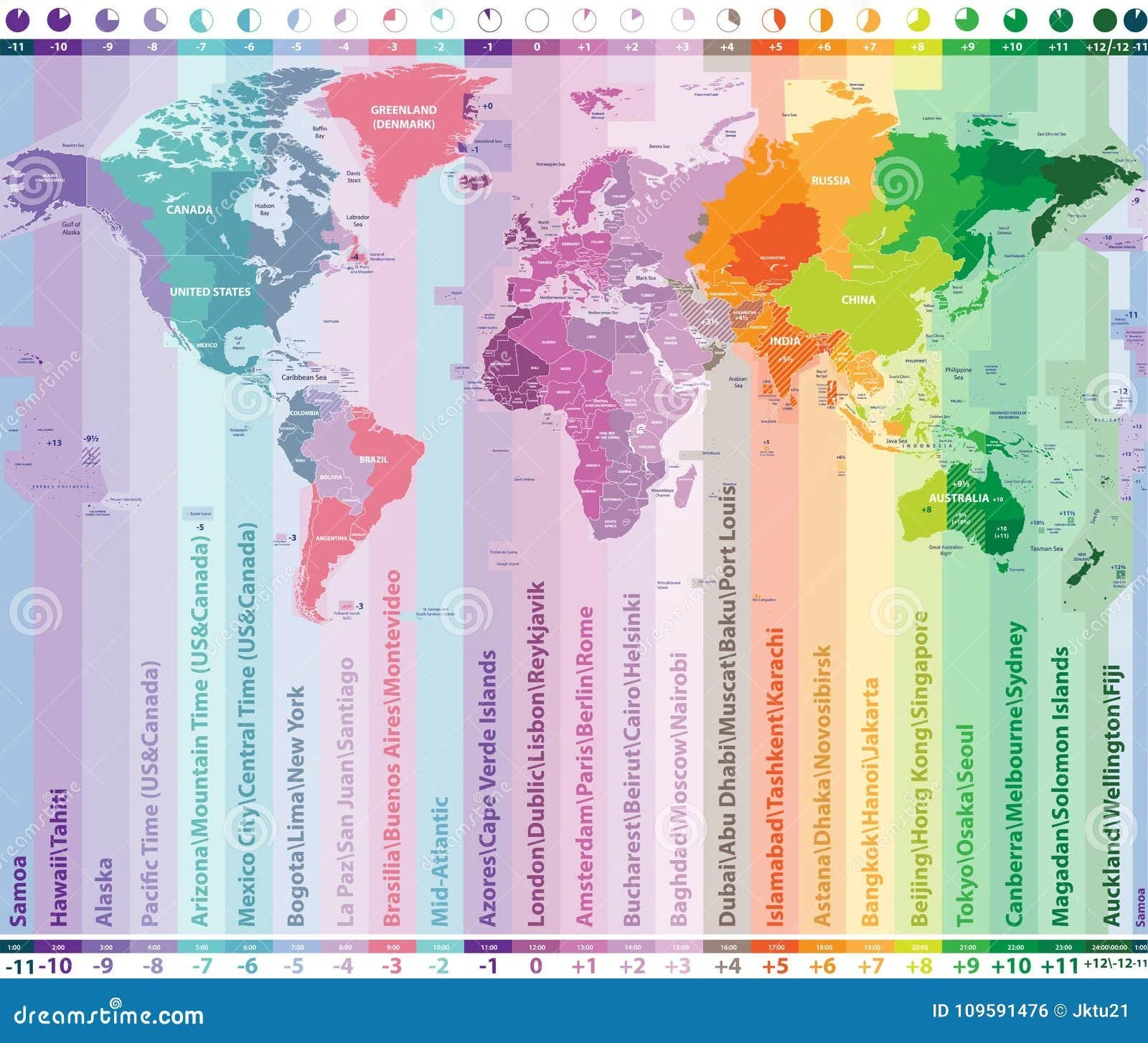
There’s something magical about long-distance travel, the anticipation, the change in scenery, the sense of stepping into a completely different rhythm of life. But let’s be honest… jet lag can take that magic and blur it into exhaustion, brain fog, and wide-awake nights at 3 a.m.
The good news? Jet lag isn’t inevitable. With a little intention before, during, and after your flight, you can minimize its impact and arrive feeling far more like yourself.
Start Before You Even Leave
Jet lag doesn’t begin on the plane. It begins in the days leading up to your trip. If you’re traveling across several time zones, try gently adjusting your schedule by an hour or so each day toward your destination’s time. Even a small shift can help your body feel less shocked when you arrive. Sleep, hydration, and stress levels also matter more than we tend to admit. Heading into a long flight already depleted makes everything harder. Think of it as preparing your body, not just packing your suitcase.
Choose Your Flight with Intention
If you have flexibility, consider flights that align with your destination’s nighttime hours. Sleeping on the plane, even if it’s imperfect, can help reset your internal clock more quickly. And while it’s tempting to power through movies and snacks, your body will thank you for treating the flight like a transition, not just transportation.
Hydration Is Everything
Airplane cabins are incredibly dehydrating. That dry air contributes to fatigue, headaches, and that overall “off” feeling when you land. Drink more water than you think you need. Limit alcohol and caffeine, especially toward the latter part of your flight, as both can disrupt your sleep and worsen dehydration.
Move Your Body (Gently)
Long flights can leave your body feeling stiff and sluggish. Get up when you can, stretch in your seat, roll your shoulders, flex your feet. It doesn’t have to be dramatic. Just enough to keep circulation moving and your body feeling awake. Think of it as reminding your body that it’s still alive, not just folded into seat 34A.
Use Light to Your Advantage
Light is one of the most powerful tools for resetting your internal clock. When you arrive, get outside as soon as possible, even if you’re tired. Natural light signals your body what time it is and helps recalibrate your rhythm more quickly. If you arrive in the evening, keep lights low and begin winding down. Let your environment guide your body.
Resist the Urge to Nap (Too Much)
This one is tough. After a long flight, a nap can feel irresistible. And a short one for maybe 20 to 30 minutes can help take the edge off. But long naps can anchor you in the wrong time zone. If you can, stay awake until a reasonable local bedtime. Sometimes the best reset is simply making it through that first day.
Eat According to Your New Time Zone
Your body clock isn’t just tied to sleep. It’s also tied to when you eat. Start aligning your meals with your destination as soon as you can. Even if you’re not very hungry, a light meal at the “right” time can help signal your body to adjust.
Give Yourself Grace
Even when you do everything “right,” jet lag can still show up. Bodies aren’t machines. They adapt in their own time. So move a little slower. Drink another glass of water. Step outside. Take a breath. Travel isn’t about arriving perfectly. It’s about arriving at the present.